Outdoor Furniture Ideas: Materials, Sizing, and How to Choose What Actually Lasts
Quick Answer
The best outdoor furniture materials by durability: powder-coated aluminium (lightest, rust-proof, 20+ years), teak (self-oiling, 30+ years with minimal care), stainless steel (grade 316 for coastal areas), and HDPE recycled plastic lumber (indestructible, no maintenance). Woven rattan-effect (polyethylene over aluminium) is comfortable and durable. Avoid: genuine cane or natural rattan (rots), cheap painted steel (rusts at joints), and foam cushions without quick-dry covers in wet climates.
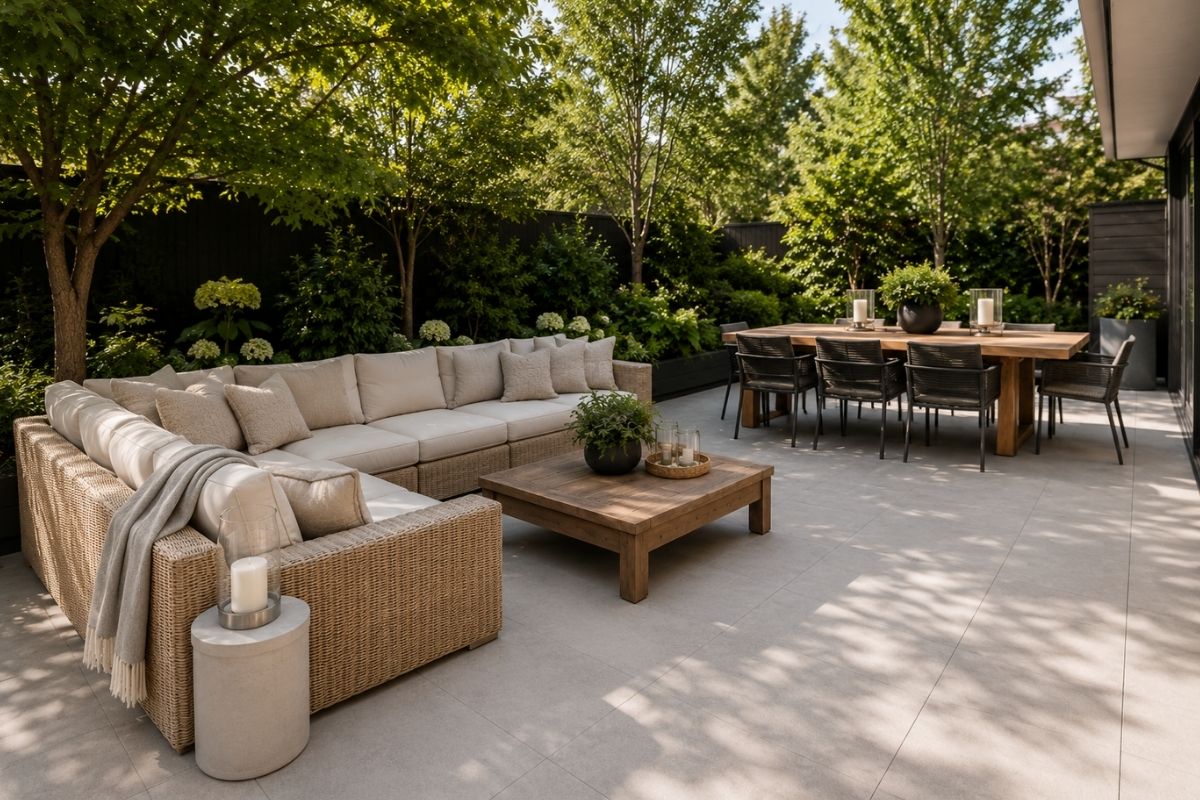
Outdoor furniture is a category with a deceptively wide range of quality that isn’t always obvious from appearance. A rattan-effect sofa set at £300 and one at £1,200 may look identical in a product photograph, but in practice one will last two seasons and one will last fifteen years. The difference is in the frame gauge, the material quality, the cushion construction, and the UV resistance of the fabric.
Material Guide
Powder-coated aluminium
The most practical outdoor furniture frame material for most climates. Aluminium is inherently rust-proof — it oxidises to a stable oxide layer rather than continuing to rust. Powder coating adds colour and scratch resistance. Grade 6061 or 6063 aluminium (the structural alloys) in 2–3mm wall thickness is the minimum for durable furniture; thinner sections bend.
Weight: typically 40–60% lighter than steel equivalents — easy to move and rearrange. The main limitation is that thinner aluminium can feel less substantial underfoot (rocking) compared to heavier materials.
Teak
The premium outdoor hardwood, rated Class 1 for weather resistance (the highest European rating). Teak naturally contains oils that repel water and resist rot without any treatment. It weathers from honey-gold to silver-grey over a season outdoors — a silver-grey teak table is structurally identical to a newly oiled one.
Maintenance options: leave to silver (no maintenance), oil annually to maintain the honey tone, or clean and re-oil every spring. FSC-certified teak is important — uncertified teak may come from illegal sources.
Stainless steel
Grade 316 (marine-grade) stainless steel is appropriate for coastal environments where standard 304 may develop surface rust spots. More expensive than powder-coated aluminium, heavier, and more industrial in appearance. Suits contemporary and minimal outdoor schemes.
HDPE recycled plastic lumber
Boards made from recycled high-density polyethylene plastic. Used to make tables, chairs, and benches that look similar to painted wood. Will not rot, splinter, crack, or require painting — ever. Some manufacturers offer 50-year structural warranties. Colour options are limited (green, grey, brown, white) but the material is essentially indestructible for outdoor use.
Woven rattan-effect (PE rattan)
Woven polyethylene cord over an aluminium frame. Mimics the look of natural rattan with none of the degradation — PE cord doesn’t rot, doesn’t crack, and resists UV for 5–10+ years depending on quality. The cord gauge (how thick the woven strands are) is a key quality indicator — thick, tightly woven cord outlasts thin, loosely woven.
What to avoid
- Natural rattan or cane: cracks and rots in UK weather within 1–2 seasons
- Painted mild steel: rusts at welded joints, even with paint protection, within 2–3 seasons in wet climates
- Standard indoor-grade foam in ‘outdoor’ cushion covers: retains water, grows mildew, deteriorates quickly
Outdoor Furniture by Zone
Dining zone
The outdoor dining table is the primary investment piece. Teak or powder-coated aluminium table in the room’s primary colour or neutral tone. Chairs in a complementary material — mixed material combinations (teak table, aluminium chairs) work well and are often more durable than matched sets.
Chair choice: stackable chairs are essential in small gardens (stack up to 8 when not in use). Folding chairs allow storage in a shed or store. Fixed chairs require more outdoor floor space.
Lounge zone
An outdoor sofa set (aluminium frame, PE woven, quick-dry foam cushions) in a U-shape or L-shape configuration. For small gardens, a two-seat outdoor love seat or a single two-person bench with cushions is proportionate.
Outdoor coffee table: concrete, aluminium, or teak. Avoid glass-top tables in gardens with overhead canopy (bird droppings are impossible to clean from a glass table positioned under a tree).
Balcony
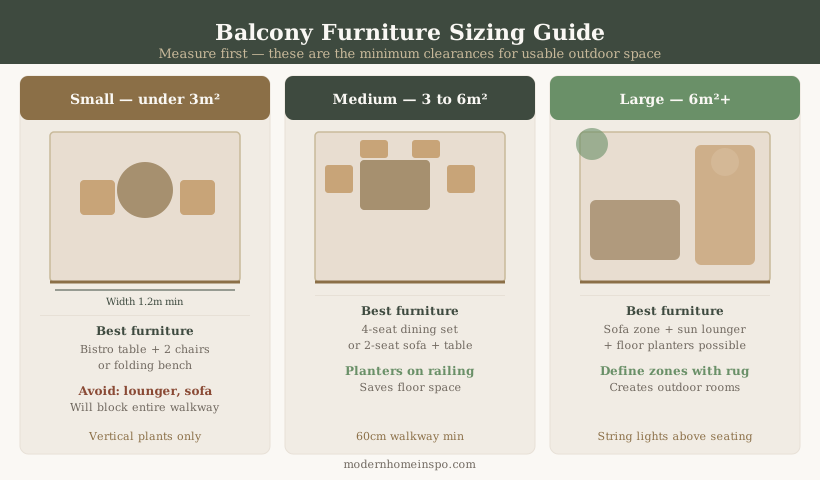
Space is the primary constraint on a balcony. See Cozy Balcony Decor Ideas for complete balcony furniture sizing, chair type recommendations, and material selection at apartment scale.
Cushion and Fabric Selection
Solution-dyed acrylic fabric
The standard for quality outdoor cushions. The colour pigment is dyed into the fibre before weaving, not applied to the surface — so UV exposure fades the fibres rather than stripping a surface dye. Colourfastness warranties of 5–10 years from quality manufacturers (Sunbrella, Agora, Tempotest).
Water-resistant but not waterproof — rain will penetrate over time. The critical factor is how fast the cushion dries after rain.
Quick-dry foam insert
The fill material matters as much as the cover. Reticulated open-cell foam (a foam with an open matrix structure) allows water to drain through rather than holding it in the cushion. A cushion with quick-dry foam is usable within 1–2 hours of rain; a cushion with standard foam may still be wet after 24 hours.
Cushion storage
Quality outdoor cushions can be left outside in light rain but should be stored (in a deck box or shed) during heavy or sustained rain and during winter. Cushions left outdoors year-round will degrade faster regardless of fabric quality.
Colour selection for outdoor cushions
Lighter colours fade more noticeably than darker ones (even with UV-resistant fabric). Neutral tones — taupe, stone, grey, warm white — show less visible fading and suit a wider range of garden schemes. If using a colour, choose deeper saturated tones (navy, forest green, terracotta) rather than pastels, which fade to washed-out quickly.
Furniture Sizing for Outdoor Spaces
Clearance requirements
- Chair pull-out from dining table: 75–90cm minimum behind each chair
- Passage beside furniture: 90cm minimum (same as indoor standard)
- Minimum zone for a 4-person outdoor dining set: 3×3m (table 80×80 + clearance)
- Minimum zone for a 2-seat outdoor sofa + coffee table: 2.5×2m
Table sizing by number of people
- 2 people: bistro table 60–70cm diameter, or 60×80cm rectangular
- 4 people: 80×80cm (square) or 90cm round, or 90×160cm rectangular
- 6 people: 90×220cm rectangular (extendable versions work well for occasional use)
- 8+ people: 100×250cm or larger; consider bench seating on one side to reduce chair footprint
Outdoor sofa dimensions
Standard outdoor two-seater sofa: 140–150cm wide, 70–80cm deep including cushion. Outdoor three-seater: 180–200cm wide. An outdoor sofa set (three-seat + two-seat + coffee table) requires minimum 3×3m usable floor space.
Budget Tiers by Category
Outdoor furniture spans a vast price range with significant quality differences that aren’t always visible in photographs or showrooms. This breakdown maps realistic budget expectations to what you actually get at each price point.
Outdoor dining sets (4-person table + 4 chairs)
| Tier | Budget range | What you get | Expected lifespan |
|---|---|---|---|
| Entry | £250–£500 | Painted mild steel or thin-gauge aluminium; basic cushions (standard foam, thin covers) | 3–5 seasons with care |
| Mid | £600–£1,200 | Powder-coated aluminium (2mm+ gauge); PE woven or slatted teak; solution-dyed acrylic cushions | 10–15 years |
| Premium | £1,500–£3,000+ | FSC teak, marine-grade aluminium, or hardwood; Sunbrella cushions; stackable or folding chairs | 20–30+ years |
Outdoor lounge sets (2-seat sofa + coffee table or 2 chairs + table)
| Tier | Budget range | What you get | Expected lifespan |
|---|---|---|---|
| Entry | £200–£450 | Thin PE woven over steel frame; standard foam cushions in synthetic covers | 2–4 seasons |
| Mid | £550–£1,000 | PE woven over aluminium frame (2mm+); quick-dry foam; solution-dyed covers | 8–12 years |
| Premium | £1,200–£2,500+ | Thick-gauge PE cord, aluminium frame; Sunbrella or Olefin covers; sectional or modular options | 15–20+ years |
The single most important quality indicator at any price point: Cushion construction. A mid-range furniture frame will outlast cheap cushions by years. If budget is constrained, buy the best frame you can and immediately replace the supplied cushions with a quality quick-dry alternative — Sunbrella fabric covers with reticulated foam inserts are available separately and transform even entry-level furniture.
Where to save without compromising longevity:
- A teak table with powder-coated aluminium chairs is more cost-effective than an all-teak set and equally durable
- Buy a 4-chair dining set and store two of the chairs — use when needed, extend their life significantly
- Avoid dining sets with bench seating: benches look appealing but in practice reduce comfort and resale value
Year-Round Use Strategies
Extending the season
An outdoor heater — either freestanding propane or wall-mounted infrared — extends the usable season of an outdoor dining zone by 4–6 weeks into spring and autumn. Infrared heaters (wall-mounted, electric) are more efficient than propane patio heaters — they heat objects and people directly rather than the air around them.
A parasol or shade sail extends usability in summer by reducing direct sun exposure — a garden table in direct midday sun in July is uncomfortable regardless of how good the furniture is.
All-weather furniture selection
If furniture will be left outdoors year-round without a cover: choose powder-coated aluminium or teak for the frame, and accept that cushions will need to come inside or live in a weatherproof deck box. A furniture cover is a reasonable compromise — it protects against winter weather while keeping the furniture outdoors.
Care and Maintenance
Powder-coated aluminium
Clean annually with mild soap and water. Inspect for chips or scratches in the coating that might expose bare aluminium at welded joints — touch up with matching outdoor enamel paint. The powder coating itself doesn’t require sealing or treatment.
Teak
To maintain: clean with teak cleaner annually, then apply teak oil with a lint-free cloth, wiping off excess after 20 minutes. One treatment per year is sufficient in most UK climates. To let silver: clean once a year, no oil. The structural integrity is identical in both cases — the oil treatment is purely cosmetic.
Woven PE rattan-effect
Rinse with a garden hose. Scrub with a soft brush and mild soap if accumulated dirt or bird droppings are present. Avoid pressure washing — it can damage the weave by forcing water into the cord and frame. Clean the aluminium frame beneath the weave if visible rust spots develop (unlikely, but possible at weave junction points).
Frequently Asked Questions
- What is the most durable outdoor furniture material?
- For longevity with minimal maintenance: HDPE recycled plastic lumber (essentially indestructible, never rots or rusts, 50-year warranties from some manufacturers) or teak (self-oiling hardwood that weathers to silver-grey without rotting, 30+ years with no treatment). For lightness and durability combined: powder-coated aluminium.
- Does outdoor furniture need to be stored in winter?
- Most quality outdoor furniture doesn't require indoor storage in UK winters, but storing cushions indoors extends their life significantly. Powder-coated aluminium, teak, and HDPE furniture can stay outside year-round. Painted steel should be covered or stored to prevent rust at welded joints. Rattan-effect (PE) furniture can stay outside but cushions must come in.
- What size outdoor dining table for six people?
- A rectangular table 90×220cm (or 200cm) seats six comfortably with 40–45cm per person along each side. Allow 90cm clearance on all sides for chair pull-out and passage. The minimum outdoor space for a 6-person dining zone is therefore approximately 3.5×4m.
- How do I choose outdoor cushion fabric?
- Sunbrella or equivalent solution-dyed acrylic is the standard for quality outdoor cushions — it resists UV fading (10+ year colourfastness warranty), dries quickly, and resists mildew. Quick-dry foam insert (reticulated open-cell foam) dries in hours after rain rather than days. Avoid standard indoor-grade foam with a cover — it remains wet after rain, grows mildew, and deteriorates quickly.